The budget way, the fast way, and everything in between — how to actually get from Delhi to Munsiyari.
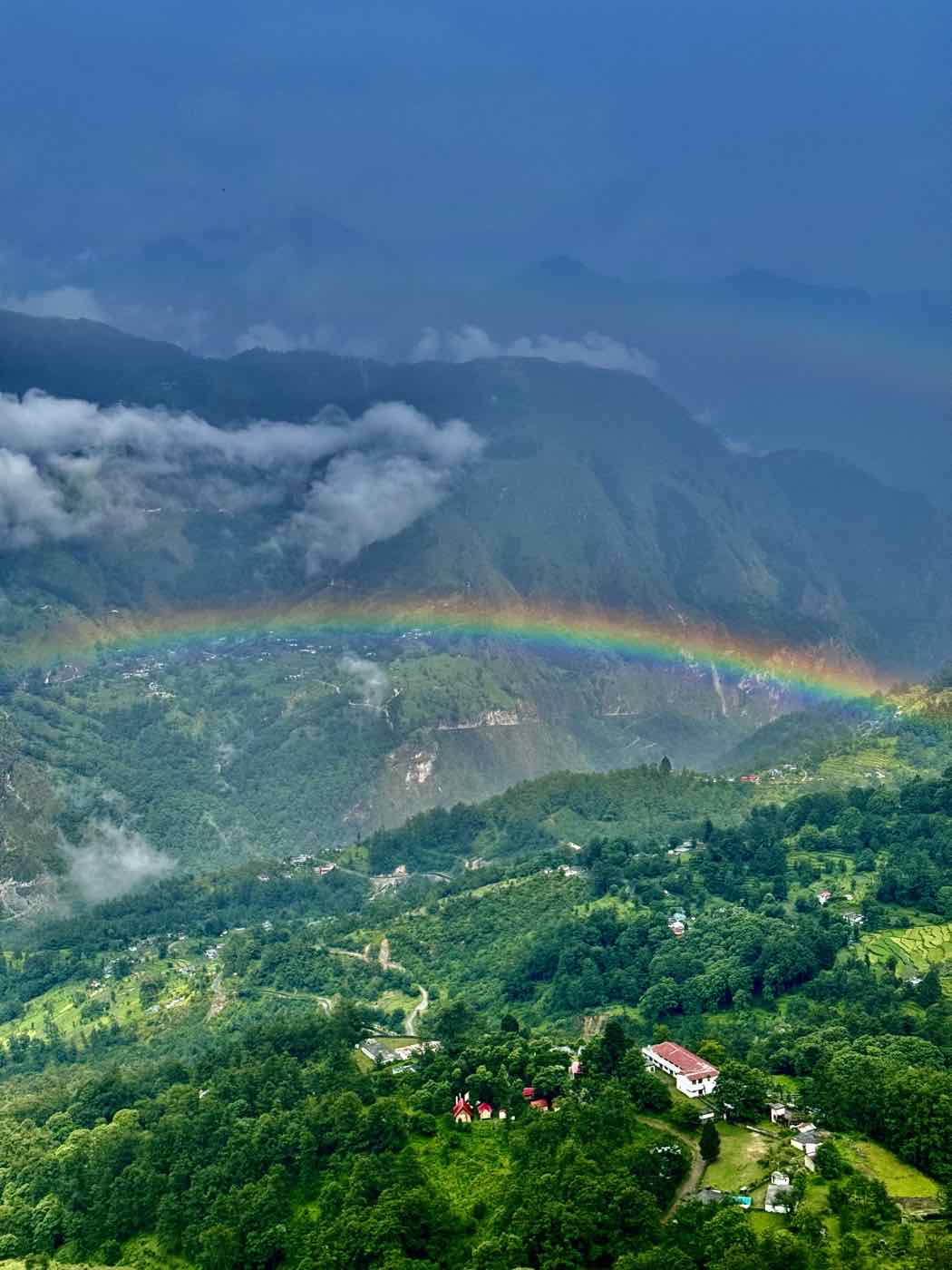
Munsiyari is around 616 km from Delhi by road (a few sources put it a little lower, closer to 600 km, depending on the exact route). Driven straight through, that's typically 15–18 hours — long enough that almost nobody does it in one sitting. The good news: there's a genuinely comfortable way to turn that into an overnight bus and a morning shared taxi, so you sleep through most of the boring bit and wake up already in the mountains.
Two versions of this, depending on which town you'd rather wake up in:
Either way, total cost lands somewhere around ₹1,500–2,000 all in — not bad for a trip that would otherwise mean a full day of driving.
Take the same night bus from Delhi to Haldwani (₹500–1,000), then skip the road entirely: a helicopter service connects Haldwani to Munsiyari, run under the Uttarakhand government's regional air-connectivity scheme, with the first flight typically leaving Haldwani around 7:45 AM. Fares are commonly quoted around ₹5,000+ per person (our own information puts it closer to ₹5,300) — and like any mountain flight, it's weather-dependent, so keep a road backup in mind. It won't win on price, but it turns a full day of travel into about an hour in the air.
The nearest railway station to Munsiyari is Kathgodam, near Haldwani — roughly 275–290 km from Munsiyari itself by road. Trains including the Ranikhet Express run New Delhi to Kathgodam overnight or early morning; from there, a shared taxi or private cab covers the rest of the way via Bhimtal, Almora, and Thal. Timings and train numbers change, so it's worth checking IRCTC closer to your travel date rather than an old schedule.
Once you're past Haldwani, the road forks — same as it does for anyone driving up from that side of Uttarakhand. Here's the same breakdown we give Haldwani-based travellers, scaled up to a full Delhi start:
The final stretch past Thal on any of these climbs steadily through hill roads and is best driven in daylight.
October to June is generally a good window to visit Munsiyari, with October–February giving the clearest Panchachuli views. The monsoon months (July–August) bring heavy rain and a higher landslide risk on these same mountain roads — and grounded helicopters, more often than not — so it's worth building extra time (and a plan B) into your trip if you're travelling then.
Bus fares, taxi rates, and flight schedules all drift with fuel prices and season, and the route distances above are approximate — published sources for these hill roads don't always agree. Treat the numbers as a planning guide, not a quote, and worth a quick check on redBus, Goibibo, or with us before you lock in a route.
Tell us which route you're taking and we'll help you time the last leg into Sarmoli — message us on WhatsApp, or see the FAQ page for more on getting here.