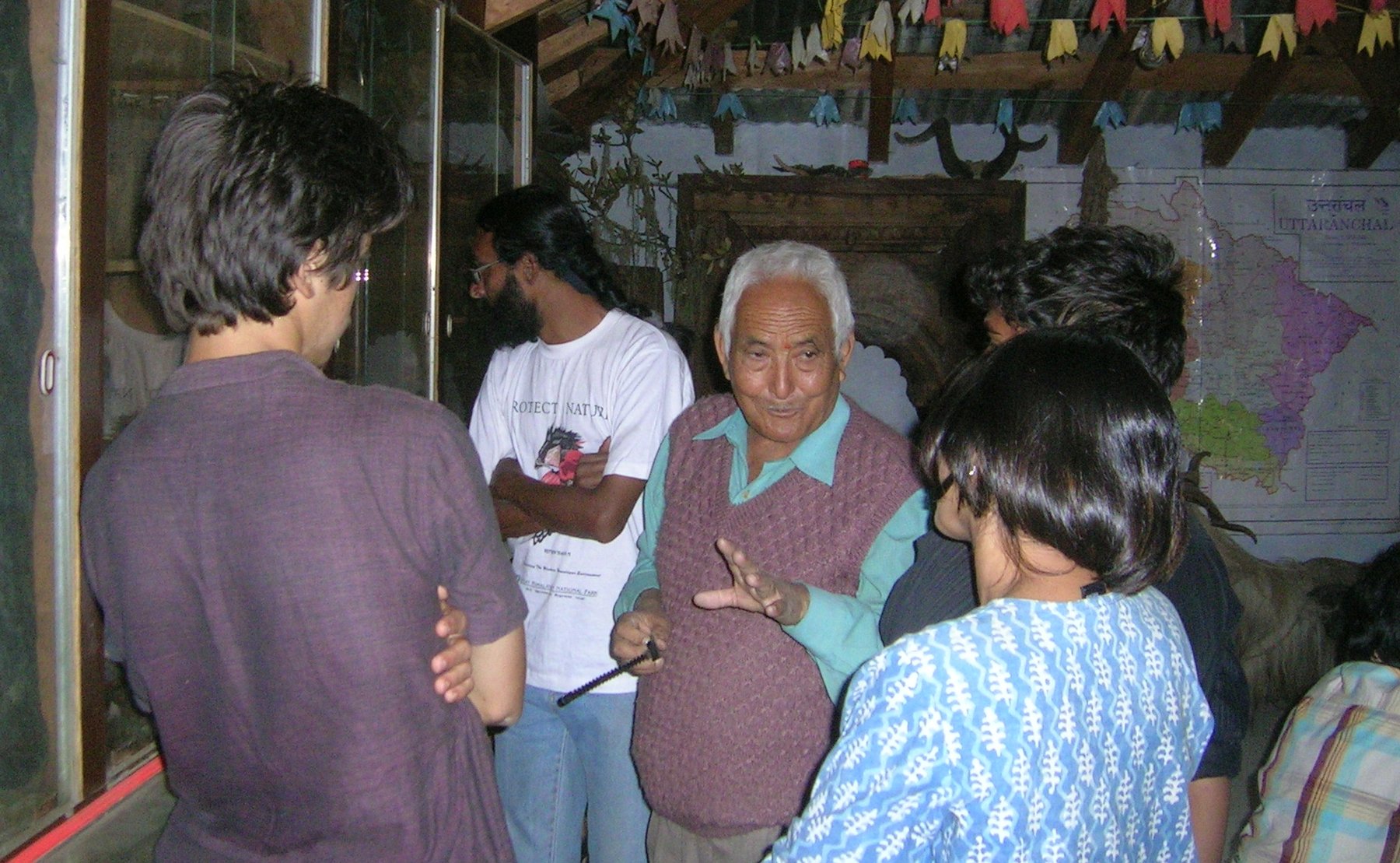
A few of the best things near SamathaStay don't need a car or a trek — just a short walk downhill. The Tribal Heritage Museum, in Nanasen village about 1–2km from Munsiyari's main market, is one of them: a small, privately-run collection that gives some real depth to the "Johari Bhotia" mentions you'll see all over Munsiyari's tourist material.
One man's collection
The museum was put together by Dr. Sher Singh Pangtey — known locally as "Masterji" — who spent years travelling to Bhotiya households across the Johar valley collecting what people were willing to part with, out of concern that the community's material history would otherwise disappear. It shows: this isn't a polished, curated institution, it's one person's life's work, displayed in a modest building.
What's inside
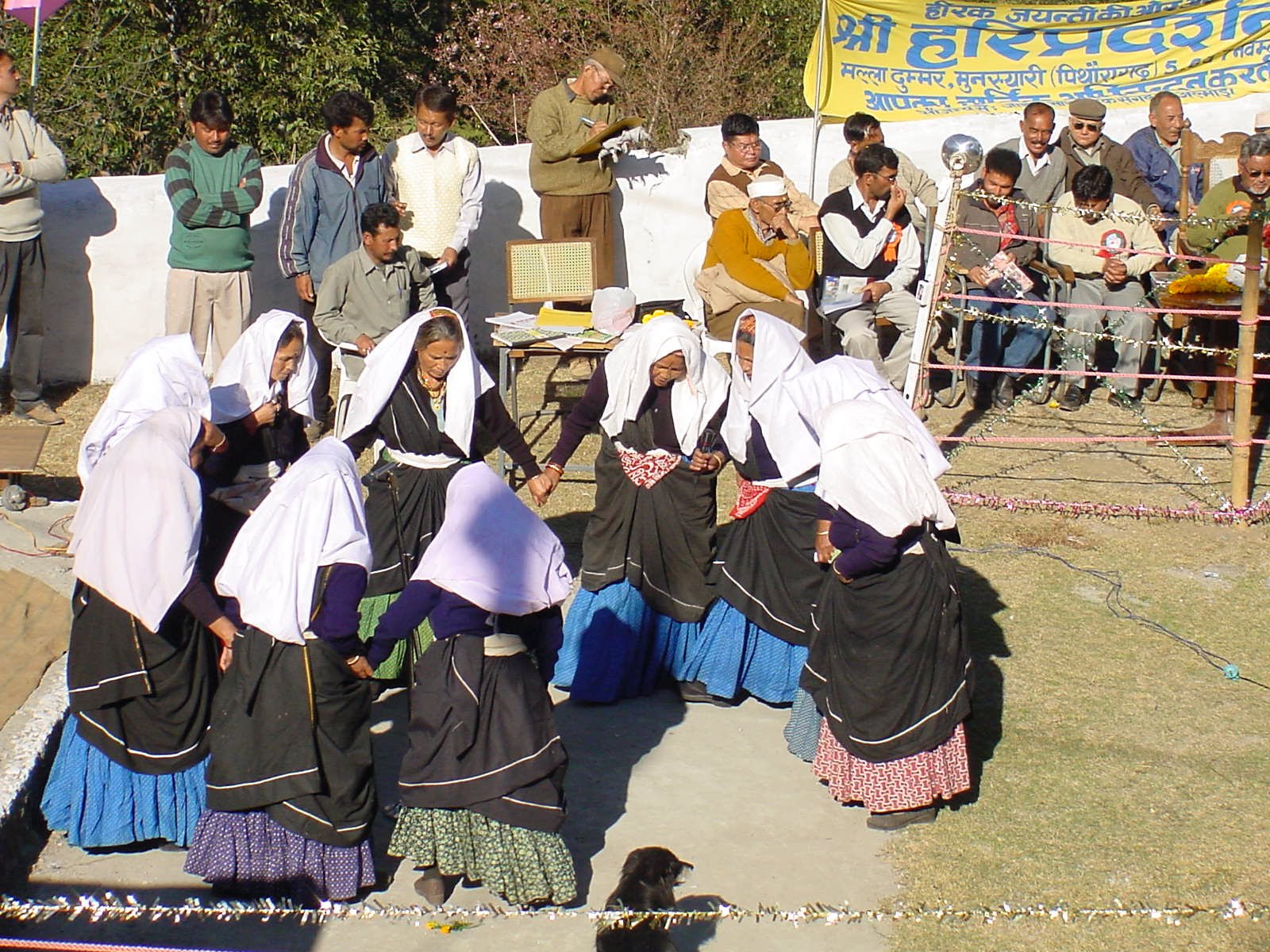
The collection covers traditional woollen clothing, jewelry, weapons, musical instruments, cooking and distillation vessels, spinning wheels, and old maps and trade documents from the barter trade the Bhotiya once ran across the passes into Western Tibet — a trade that came to an effective end after the 1962 war closed the border. Taken together, it's a fairly direct look at a way of life that mostly doesn't exist anymore in this exact form.
Before you go
The museum is generally open 10am–5pm, with a nominal entry fee (commonly cited in the ₹10–30 range — worth confirming locally, since it isn't formally posted). Photography inside is restricted, so this is a look-and-listen visit rather than a photo stop. It pairs naturally with the walk down from Sarmoli itself, or with a stop at Nanda Devi Temple on the same side of town.